Cheap iPhone Screen Replacement + Best Quality Options: How to Replace My iPhone Screen the Right Way?
That's why I'm sharing my real experience here-hopefully it saves you from making the same mistakes I made.
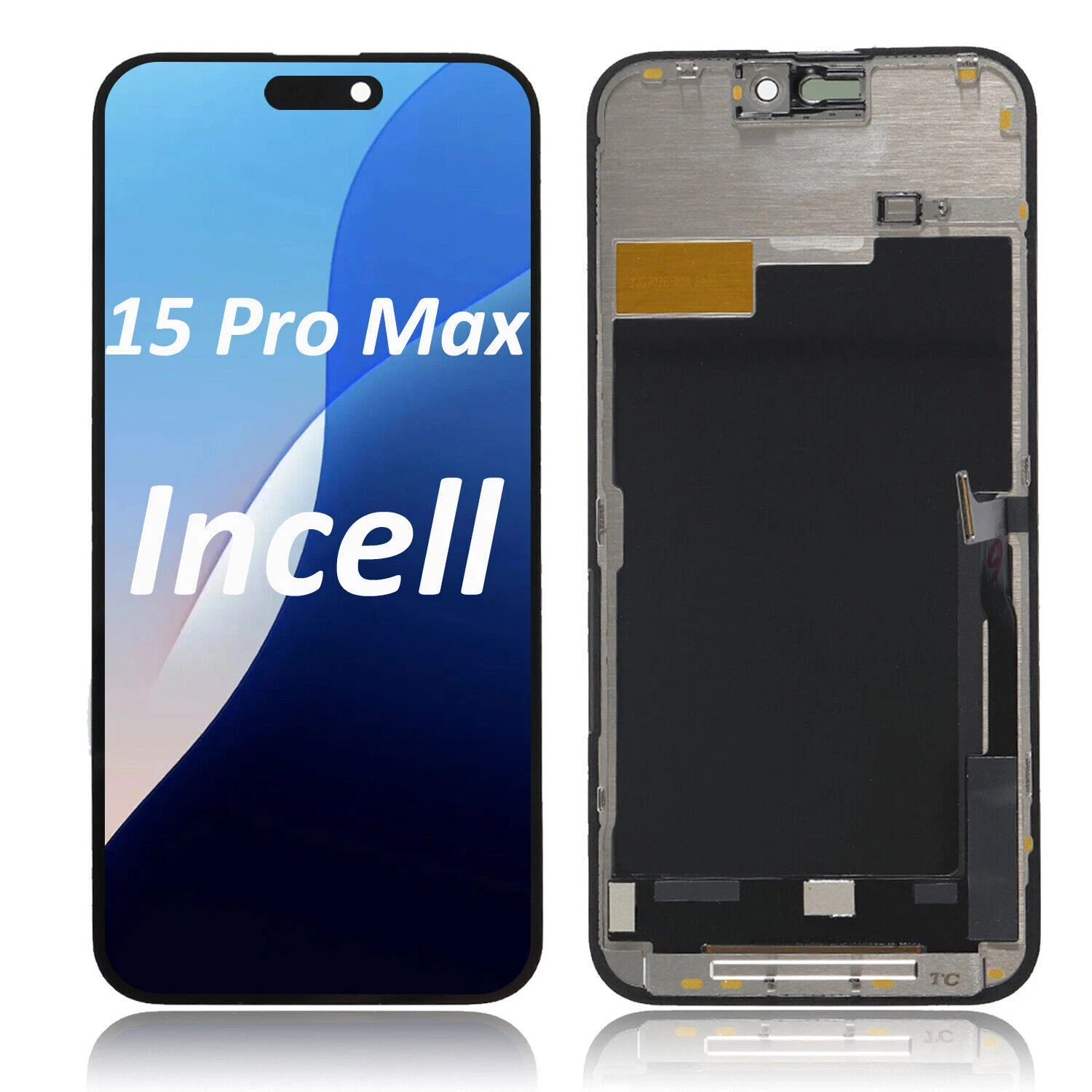
When I Tried a Cheap Repair and Immediately Regretted It?
The first time I looked for a cheap iPhone screen replacement, I honestly just wanted my phone to light up again. I wasn't thinking about color accuracy or touch sensitivity. I just searched for the lowest number I could find and walked into a small repair shop near my house.
I got the price I wanted… but the screen I got felt nothing like the original.
Right after they finished replacing it, I noticed three things:
- The screen felt too dim.
- The colors looked washed out, like someone added a gray filter.
- The touch didn't register smoothly.
I thought I could get used to it, but after two days, I couldn't stand it anymore. That was my first big lesson: a cheap iPhone screen replacement may be cheap, but it rarely stays cheap when you need to redo it.
It also made me realize that "cheap" usually means:
- weak glass
- low-quality backlight
- lower brightness
- slower touch response
So yes, a cheap iPhone screen replacement can work if it's an emergency or a temporary phone, but not for a phone you depend on every day.
My Search for the Best iPhone Screen Replacement
After that bad experience, I changed my approach. I wanted the best iPhone screen replacement, even if I needed to pay a little more. I visited a shop recommended by a friend who also repairs phones. As soon as I walked in, I noticed the difference. The technician asked about my usage habits, explained screen options, and even let me compare two screens before installation.
That's the shop where I finally got what I call a real quality screen.
A true best iPhone screen replacement always stands out in three ways:
1. The brightness
The screen felt comfortably bright without being harsh. Cheap screens often get bright, but the brightness feels sharp and artificial. The best ones feel soft and accurate.
2. The color balance
Good screens don't push the colors too blue or too yellow. They give you that Apple-style natural white.
3. The touch response
This is where I feel the difference the most. Scrolling feels smoother. Typing feels accurate. The phone reacts the moment my finger moves, not half a second later.
After replacing that screen, I told myself I'd never go back to low-grade replacements again. The best iPhone screen replacement doesn't just look good-it feels good every single time I unlock my phone.
My Experience Trying to Replace My iPhone Screen Multiple Times
Over the years, I've had to replace my iPhone screen more than once. And every time, I learned something new.
The first time I tried to replace my iPhone screen, I didn't ask enough questions. That's why I ended up with a bad one. Now, I always ask the technician:
- "What type of screen is this?"
- "Is it soft OLED, hard OLED, or LCD?"
- "Can I check the brightness before installation?"
- "What happens if the touch stops working in a week?"
- Good shops answer confidently. Bad ones try to rush you.
Another thing I learned while trying to replace my iPhone screen is to always check the following:
✔ White background test
If the white looks blue or green, the screen isn't good.
✔ Smooth scrolling test
Fast-scroll through long pages. Cheap screens stutter.
✔ Outdoor brightness test
A good screen stays readable under the sun.
These small habits saved me from wasting money again.
Cheap vs Best: What I Learned After Testing Both
At one point, I tested both cheap and high-quality screens on different phones in my house. I wanted to see the real differences in daily use.
Cheap screens:
- battery drain increases
- colors shift after a few weeks
- touch misses taps
- the display scratches faster
Best screens:
- stable touch, no delays
- colors stay accurate
- glass feels smoother when sliding fingers
- brightness remains strong for years
After comparing, I no longer see screen replacement as "just a repair." It affects the phone's value, the experience, and even my eyes after long usage.
When I Now Choose Cheap and When I Choose the Best?
Believe it or not, I still choose a cheap iPhone screen replacement sometimes-but only for specific situations:
I choose cheap when:
- it's a backup phone
- I want to sell the phone soon
- the device isn't important
I choose the best when:
- it's my main phone
- I take photos, edit videos, or use it for work
- I plan to keep the phone for more than a year
There's no "perfect" option for everyone. The right choice depends on what the phone means to you.
Final Thoughts: What I Tell Anyone Who Asks About Screen Repairs
If someone asks me whether they should get a cheap iPhone screen replacement or the best iPhone screen replacement, I always ask them the same question:
"How often do you use your phone?"
If they say "all the time," I tell them to get the best they can afford.
If they just need something to survive for a few months, cheap might be okay.
And if they say, "I don't know how to replace my iPhone screen safely," I tell them what I learned the hard way:
Go to a shop that explains things clearly, shows you options, and lets you test the screen before paying.
That simple rule saved me money, and it'll probably save you some too.